








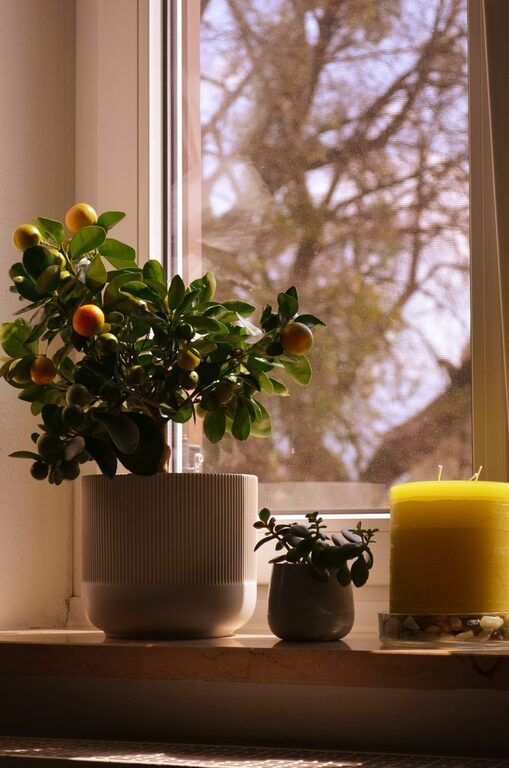
Bringing plants into your home is one of the easiest and most rewarding ways to refresh your living space. Not only do plants add a natural touch and beauty, but they also improve air quality and create a calming atmosphere. Whether you are a seasoned plant parent or new to indoor greenery, this guide will help you transform your home into a vibrant and cozy oasis.
Why Add Plants to Your Home?
Plants do more than decorate—they contribute positively to your well-being and environment. Here are some benefits:
– Boost mood and reduce stress: Studies show that being around plants can improve your mood and lower anxiety.
– Improve air quality: Many houseplants filter toxins and release oxygen.
– Add texture and color: Greenery introduces natural hues and shapes that complement your décor.
– Connect with nature: Plants help create a peaceful, grounding atmosphere indoors.
Now, let’s explore practical ways to incorporate them.
Choosing the Right Plants for Your Space
Selecting plants that thrive in your home conditions is key to success.
Consider Light Levels
– Bright light: Succulents, fiddle leaf fig, and snake plants enjoy lots of sunlight.
– Moderate light: Pothos, peace lily, and spider plants tolerate indirect or filtered light.
– Low light: ZZ plants, cast iron plants, and philodendrons survive in darker corners.
Think About Your Commitment
If you want low-maintenance options, choose hardier varieties like snake plants or pothos. For those willing to dedicate more time, flowering plants such as orchids can provide seasonal splashes of color.
Match Plant Size to Room Size
Large leafy plants work well in spacious areas, while smaller pots suit desks, shelves, or windowsills.
Stylish Ways to Display Your Plants
How you present plants can enhance your home’s look.
Use Decorative Pots
Choose ceramic, terracotta, or woven baskets that complement your style. Neutral tones blend well with most interiors, while colorful pots can add a playful touch.
Create Plant Groupings
Arrange several plants of varying heights and types together. This creates visual interest and mimics natural environments.
Hang Plants
Macramé hangers or wall-mounted planters save space and add dimension to rooms.
Incorporate Unexpected Spots
Place plants on bookshelves, kitchen counters, bathroom sinks, or entryway tables to bring greenery throughout the home.
Care Tips to Keep Plants Thriving
Maintaining your plants ensures they stay healthy and beautiful.
– Water appropriately: Overwatering is a common mistake. Check the specific needs of each plant.
– Provide adequate light: Rotate plants occasionally so all sides receive sunlight.
– Fertilize seasonally: Use gentle, balanced plant food during growth months.
– Prune regularly: Remove dead leaves to promote new growth.
– Watch for pests: Keep an eye out for spider mites or aphids and treat promptly if needed.
Seasonal Plant Refresh Ideas
Switching up your plants with the seasons can keep your home feeling fresh.
– Spring: Add blooming plants like begonias or African violets for bright color.
– Summer: Introduce leafy tropical plants such as monstera or palms.
– Fall: Opt for warm-toned foliage plants like crotons.
– Winter: Choose evergreens or hardy succulents that maintain interest.
Additional Tips for Plant Success
– Use a moisture meter if unsure about watering.
– Place humidity-loving plants in kitchens or bathrooms.
– Try DIY plant stands to add height variety.
– Mix in faux plants where natural light is very limited.
Conclusion
Refreshing your home with plants is a simple, natural way to enhance your living environment. By choosing the right plants, displaying them creatively, and providing proper care, you can create a space that feels lively, welcoming, and relaxed. Start small, experiment with styles, and enjoy the many benefits plants bring to your home. Happy planting!