






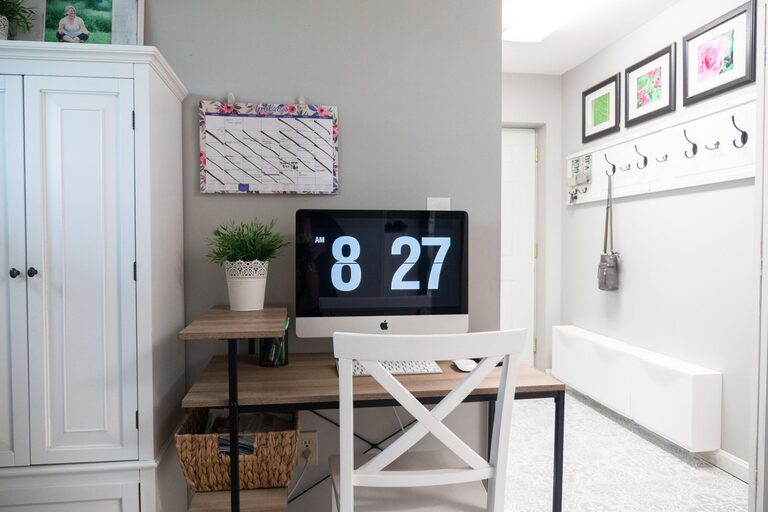


Bringing houseplants into your home adds beauty, freshness, and a touch of nature to your living space. However, keeping them healthy requires some knowledge and consistent care. Whether you’re a seasoned plant parent or just starting out, understanding the basics of plant care will help your greenery thrive. In this post, we’ll explore practical tips for maintaining healthy houseplants, covering watering, light, soil, and more.
Understanding Your Houseplant’s Needs
Each plant species has unique needs when it comes to light, water, and environment. Familiarize yourself with the specific requirements of your plants to provide the best care possible.
Research Your Plants
– Identify the plant species and learn about its preferred light levels, watering schedule, humidity, and soil type.
– Use plant care books, reliable websites, or ask local garden centers for advice.
– Keep a care journal to track watering, feeding, and growth.
Providing the Right Light
Light is crucial for photosynthesis, the process plants use to create energy. The right amount and type of light directly influence your plant’s health.
Tips for Managing Light
– Place sun-loving plants like succulents or cacti near south- or west-facing windows.
– Shade-tolerant plants, such as pothos or snake plants, do well in lower-light spots.
– Rotate your plants occasionally to encourage even growth.
– Be mindful of direct sunlight through windows that may scorch sensitive leaves.
Watering Your Houseplants Properly
Water is essential, but overwatering is one of the most common causes of plant problems. The key is to balance watering based on your plant’s needs and environment.
Watering Guidelines
– Check the soil moisture before watering by inserting your finger about an inch deep. If it feels dry, it’s time to water.
– Use room-temperature water and water thoroughly until excess drains out the pot’s bottom.
– Avoid letting plants sit in standing water to prevent root rot.
– Adjust your watering frequency to seasonal changes; most plants need less water during winter.
Choosing the Right Soil and Pot
Healthy soil provides nutrients and good drainage—both critical to plant growth.
Soil Tips
– Use potting soil formulated for indoor plants, as outdoor soil often contains pests and does not drain well.
– Some plants require specific soil types, such as orchids needing a bark-based mix.
– Refresh the top layer of soil every few months to supply fresh nutrients.
Pot Selection
– Choose pots with drainage holes to prevent water accumulation.
– Consider the pot material—terracotta allows better airflow, while plastic retains moisture longer.
– Repot your plants every 1-2 years to give roots more room and fresh soil.
Feeding Your Plants: Fertilizing Basics
Fertilizers provide essential nutrients that soil may lack. Regular feeding helps plants grow strong and vibrant.
Fertilizing Tips
– Use balanced, water-soluble fertilizers designed for houseplants.
– Follow the label instructions carefully to avoid overfeeding.
– Fertilize more frequently during the growing season (spring and summer) and reduce feeding in fall and winter when growth slows.
Maintaining Proper Humidity and Temperature
Most houseplants thrive in a warm, moderately humid environment.
Humidity Tips
– Increase humidity by misting leaves regularly, especially in dry homes.
– Group plants together to create a microenvironment with higher humidity.
– Use a humidifier if needed, particularly during winter when indoor air tends to be dry.
Temperature Care
– Keep plants away from cold drafts, heaters, or air conditioning vents.
– Most houseplants prefer temperatures between 65°F and 75°F.
– Avoid sudden temperature changes which can stress plants.
Preventing and Managing Pests and Diseases
Houseplants can be affected by pests like spider mites, aphids, or fungus gnats, and diseases such as powdery mildew or root rot.
Prevention and Treatment
– Inspect plants regularly for signs of pests or disease.
– Isolate new plants for a few weeks before introducing them to your collection.
– Use natural pest control methods like insecticidal soap or neem oil.
– Remove infected leaves and adjust watering or humidity if disease occurs.
Additional Tips for Thriving Plants
– Clean leaves occasionally to remove dust and allow better light absorption.
– Prune dead or yellowing leaves to encourage new growth.
– Support tall plants with stakes or ties to prevent damage.
– Keep pets in mind—some common houseplants can be toxic to cats or dogs.
Conclusion
Taking care of houseplants can be a rewarding hobby that brightens your home and improves your indoor environment. By paying attention to their light, water, soil, and overall conditions, you will help your plants flourish. Remember, every plant is unique, so observe and adjust your care routine to suit your green friends. Happy gardening!